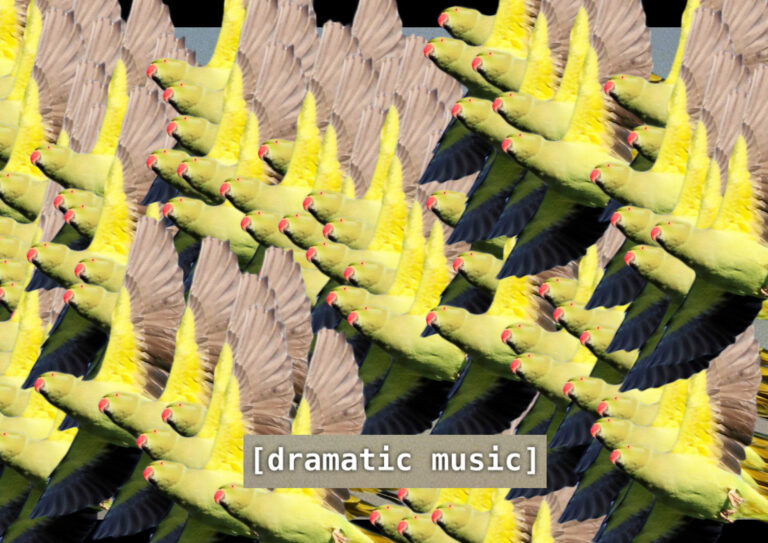
The arrival of the rose-ring parakeet (Psittacula krameri) in Europe is one of contentious debate, not only for its non-nativeness in the European ecosystem but also its origin story. There is much myth, legend and folklore that surrounds the presence of this species in Europe with numerous narratives circulating within the Netherlands about how they arrived. There is a large, thriving population of parakeets in the Netherlands but it is still debated whether this exotic species is actually invasive. Attitudes towards this bird differ across Dutch society ranging from wonderment and appreciation all the way to revulsion and the calling for their removal. The rhetoric observed in this latter argument is eerily similar to that seen in current anti-immigran sentiment in Europe. In what some ecologists describe as eco-xenophobia, the sensationalism towards non-native species can often supersede the science.
The Parakeet Project is an interdisciplinary research project that investigates the story of the rose-ring parakeet in Europe in order to discover the true status (and impact) these birds have in the ecosystem. Through personal research and various interviews with professionals in ornithology and ecology, I learn about the complexities of the parakeet’s history – the exotic pet trade and the under-toned role the cage plays in their history – to form a broader understanding of when the pet became the pest. Through a playful experimentation in a range of different media, I explore this complexity and the parakeet’s “exotic” label to illuminate questions and struggles that are faced by all displaced bodies, human and non-human.
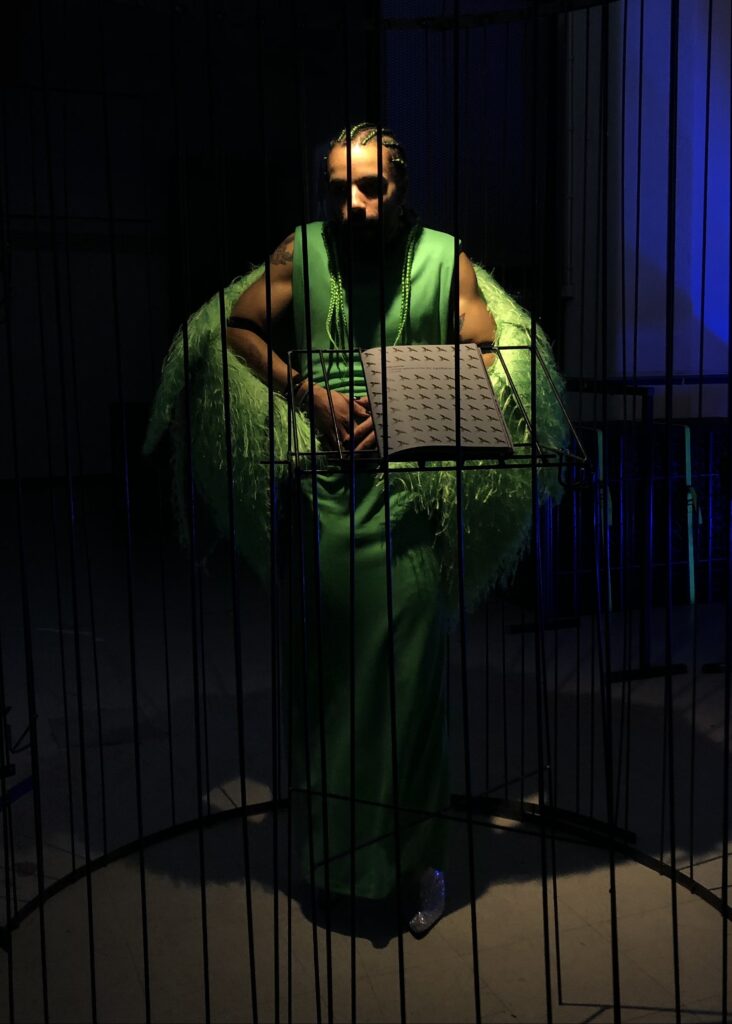
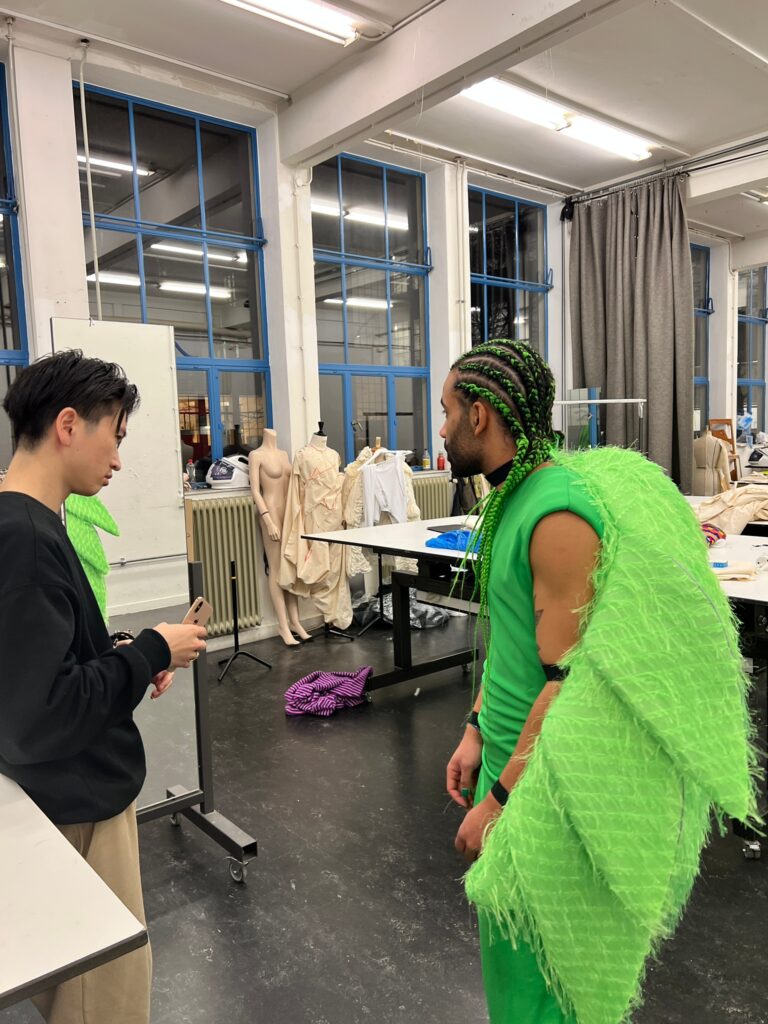
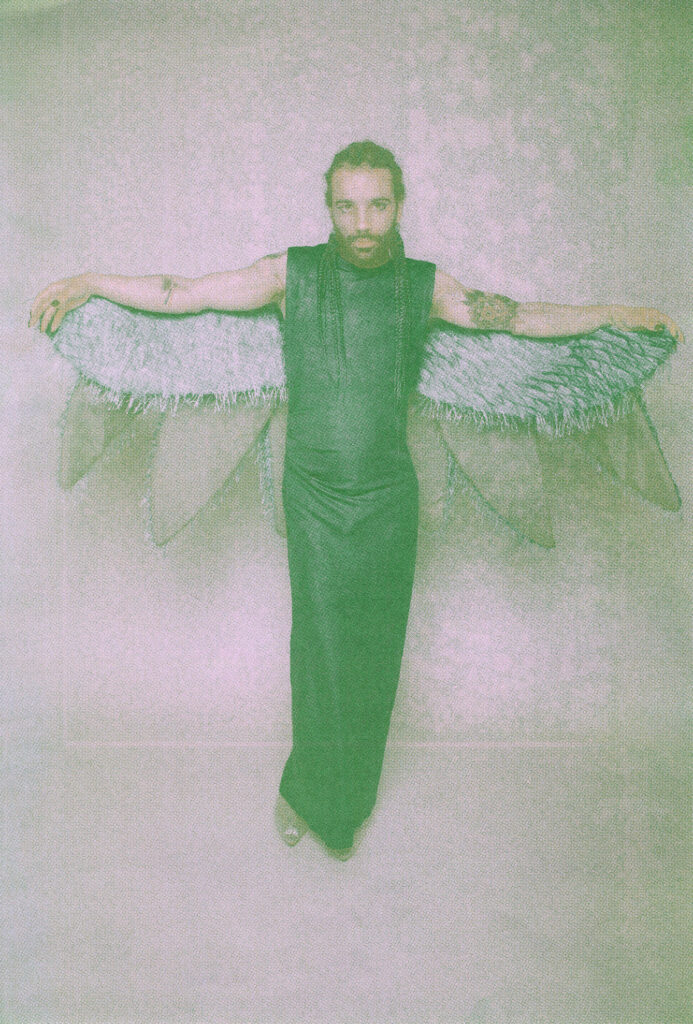
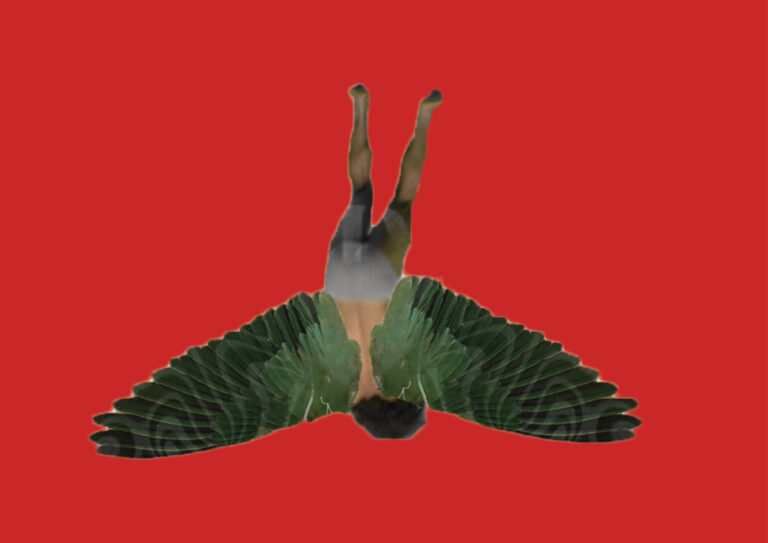
The Parakeet Project was my first project after taking a gap year from art school. In a renewed exercise of creative output, I made as much as I could during this time in a variety of different methods and media. This stream-of-consciousness state of experimentation yielded four primary outputs along with various process based works. One of the biggest motivators for starting this project was because I saw myself in these birds. In quite a literal act of animorphism, I took various steps to become a parakeet (2).
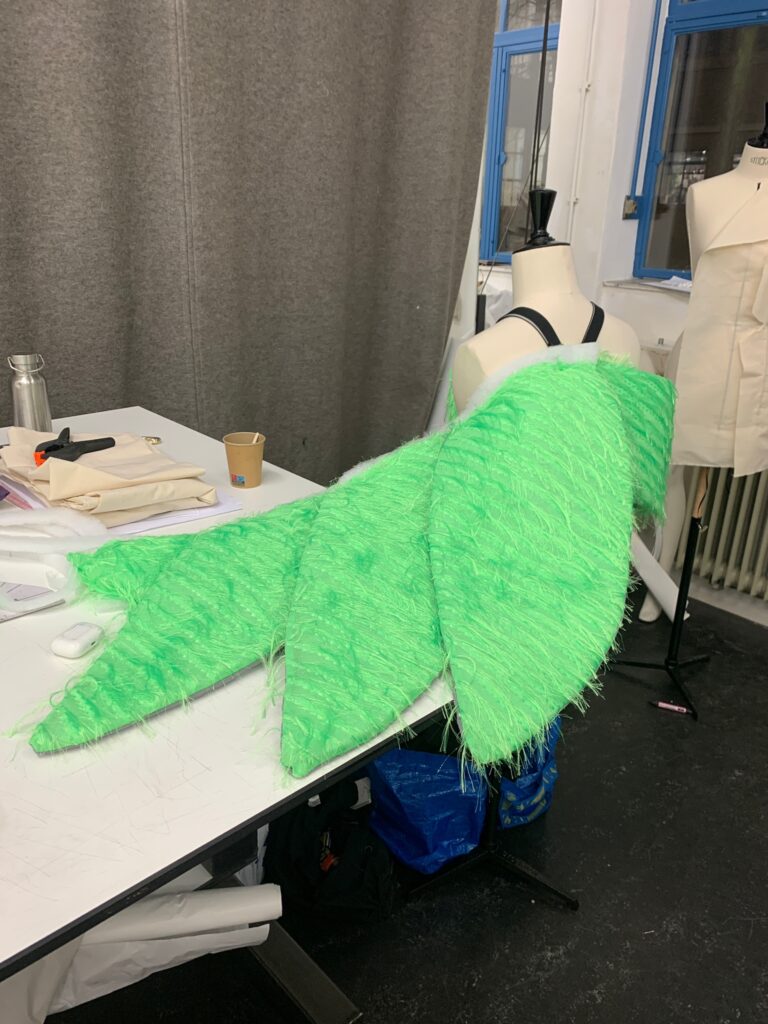
(2) I worked together with friend and fashion designer Hiromu Takeshita to create human sized parakeet wings.
Hairstylist Chela Okana gave me keet-green cornrows and the local nail salon gave me sharp black talons. A sleek green dress completed the transformation.
2022
Keet zine
(2)
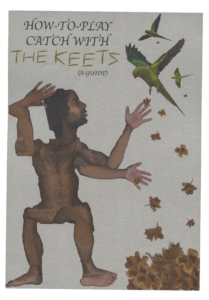
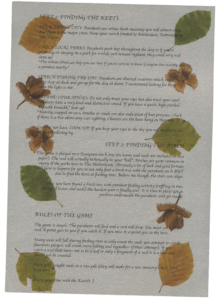
(3) “How to Play Catch With the Keets
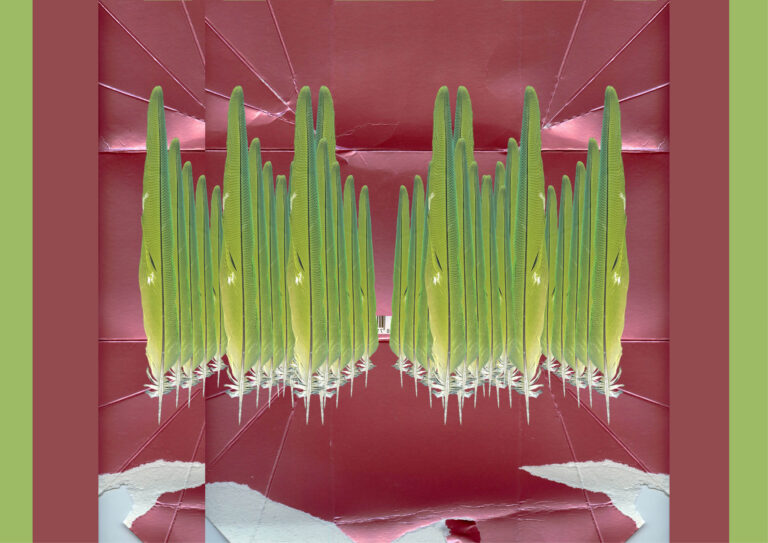
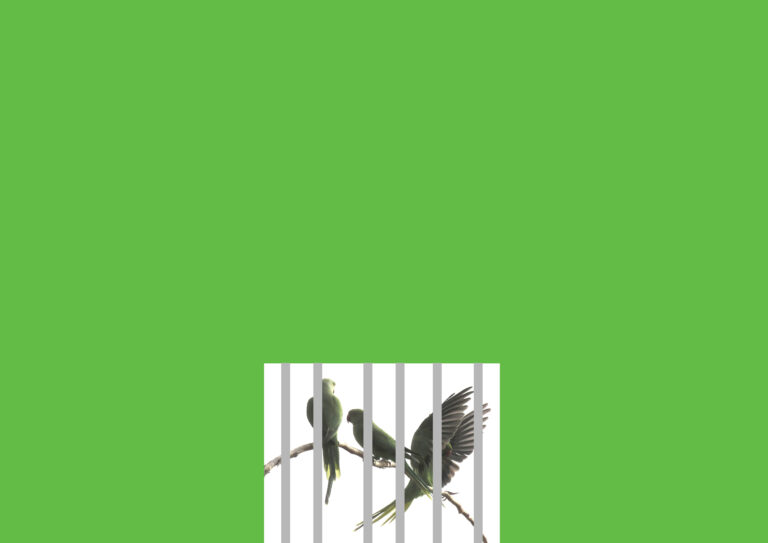
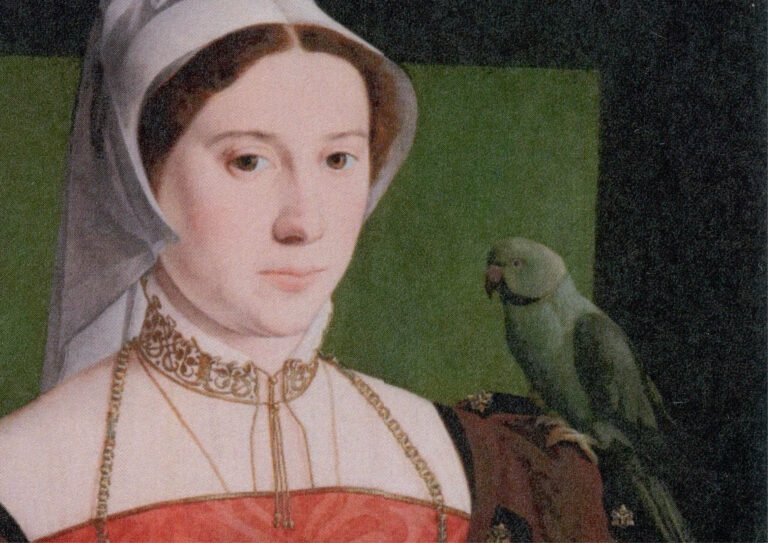
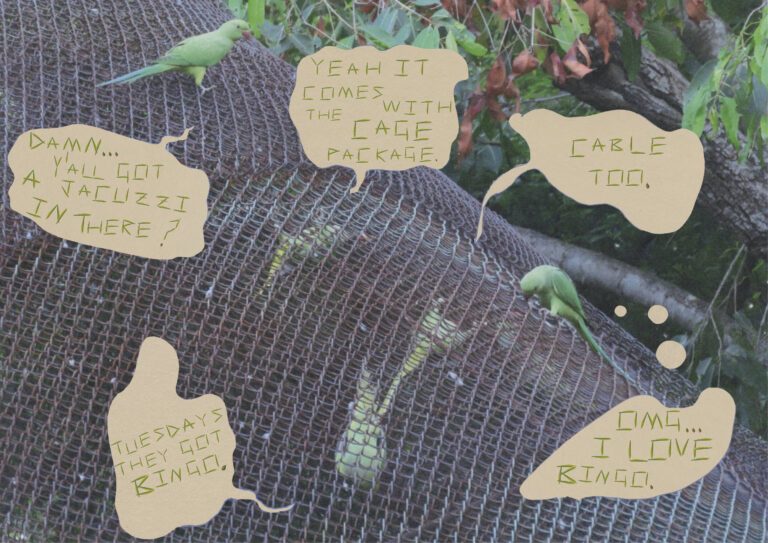
The Keet Zine is a publication made up of colorful collages and other mini publications. In forty pages, The Keet Zine uses the parakeet to tell a story about migration, captivity, otherness, and exclusion. Within these pages is also a game guide titled “How to Play Catch With the Keets” based on my first playful encounter with these birds. (3) To see a video of the Keet Zine flip through click here
2022
The Keet cage
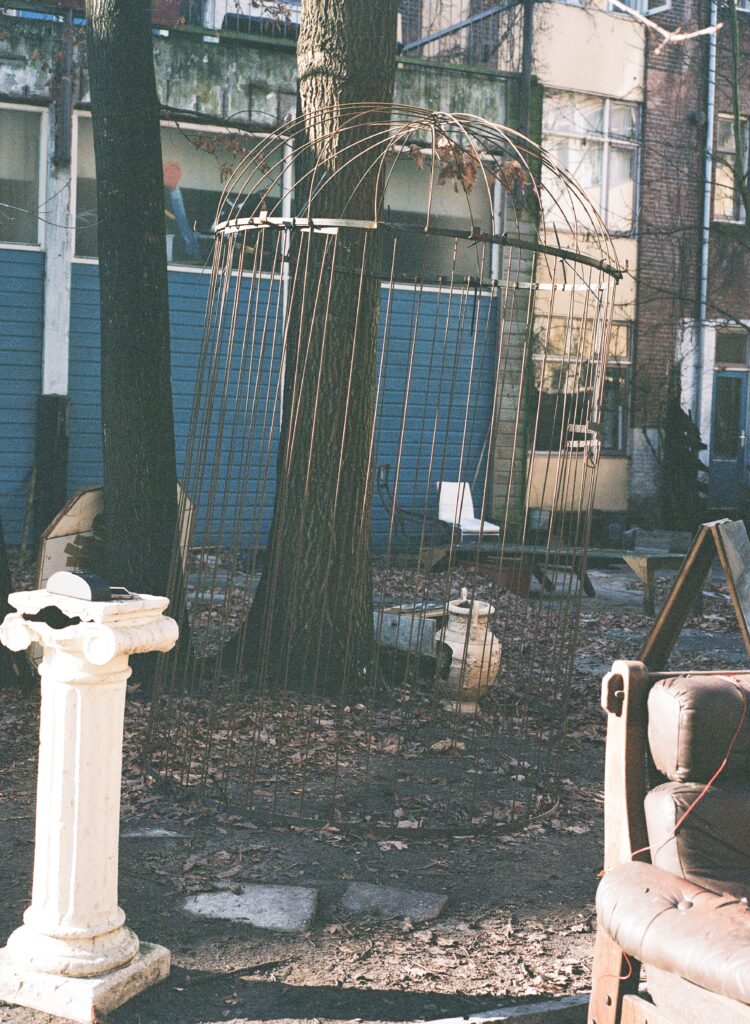
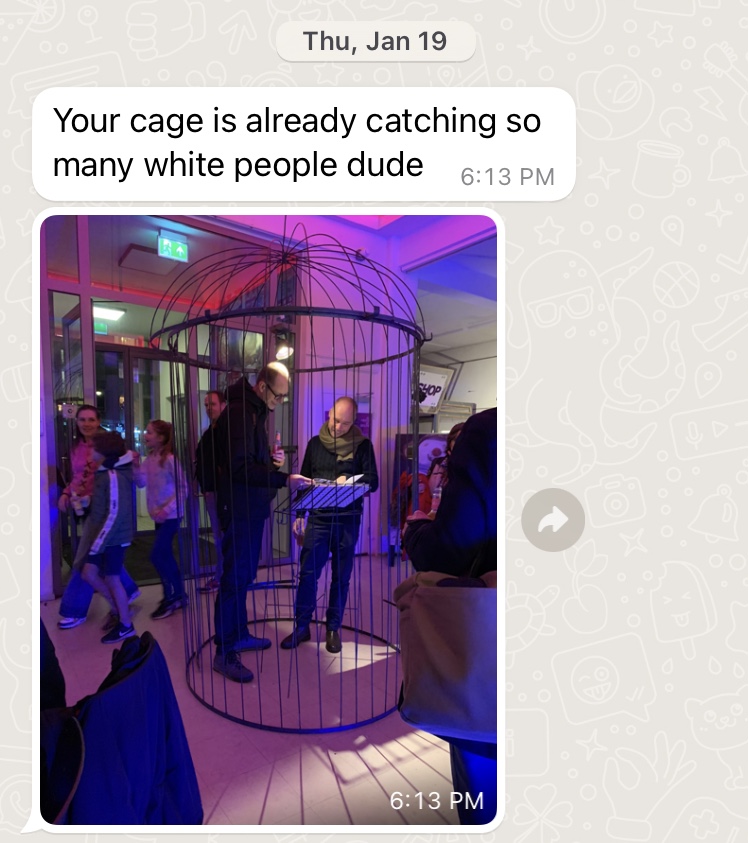
The Keet Cage is an exaggerated bird cage large enough to contain a human or two (1.4×2.3m) and my first metal work sculpture.
It is activated when you step inside the cage. During exhibitions, the Cage was a holding cell for the Keet Zine, offering a caged experience for those who flipped through the zine’s colorful pages and a zoo-like spectacle for those who stood outside of the cage. (4)
(4)
2023
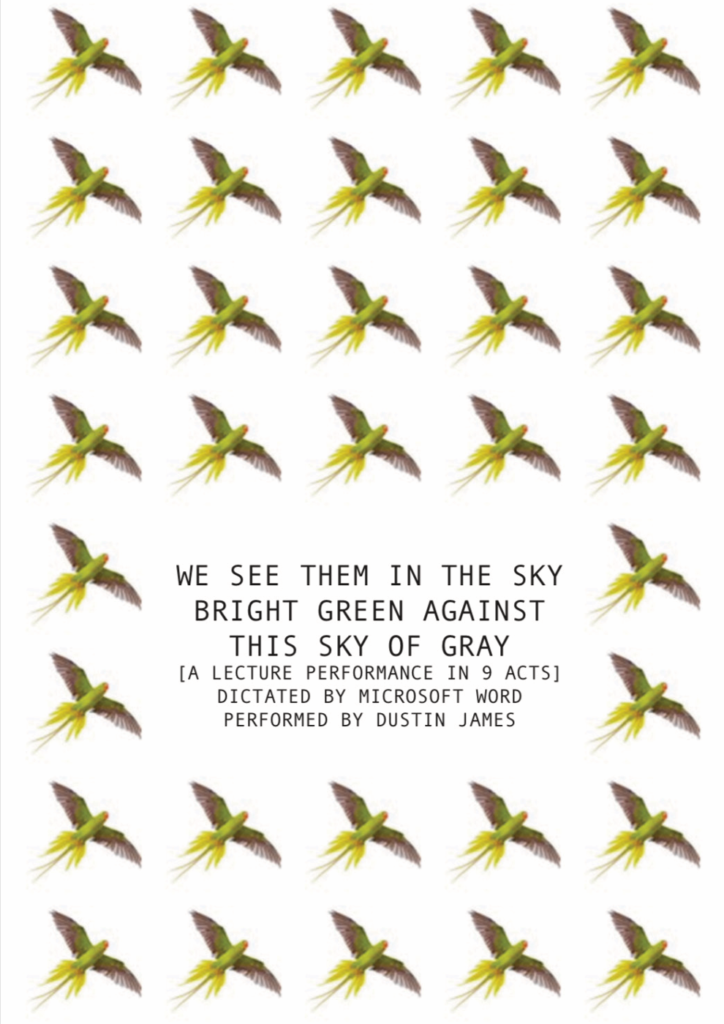
We see them in the sky bright green against this sky of gray
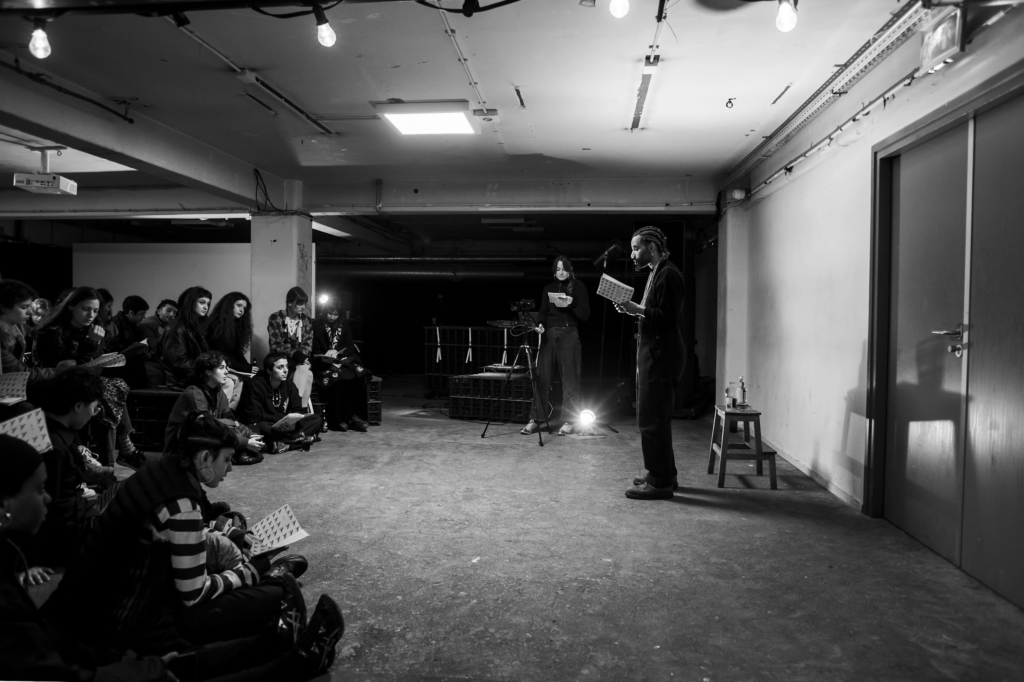
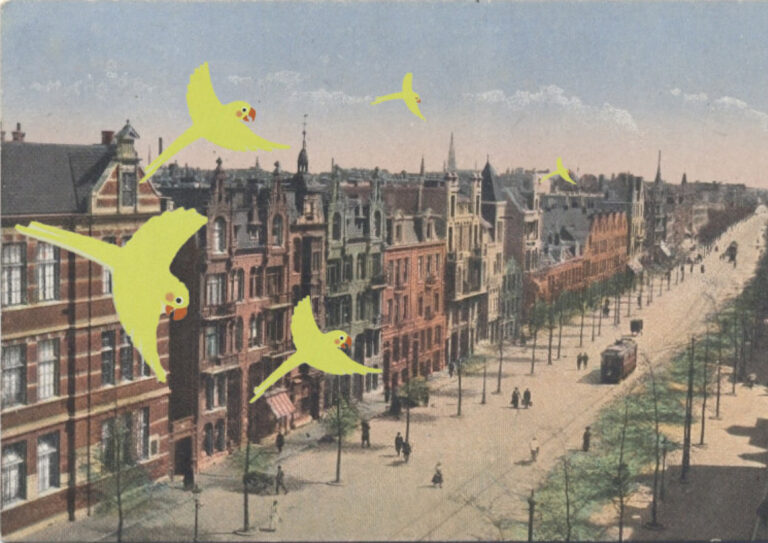
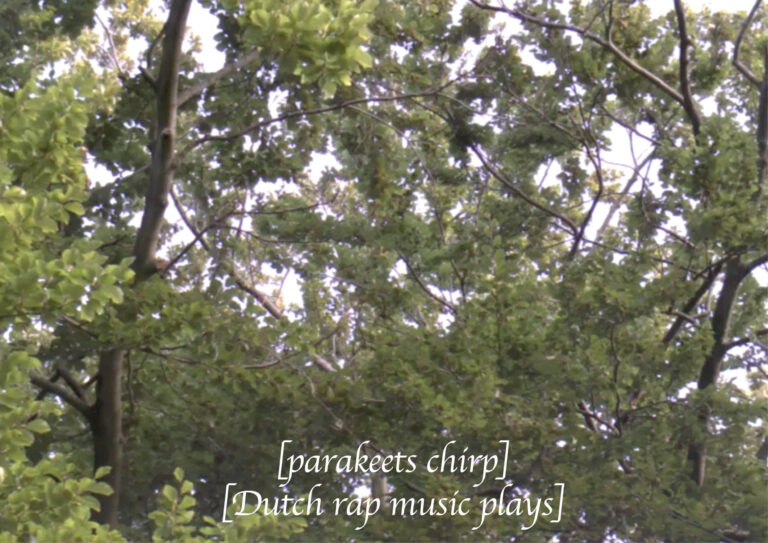
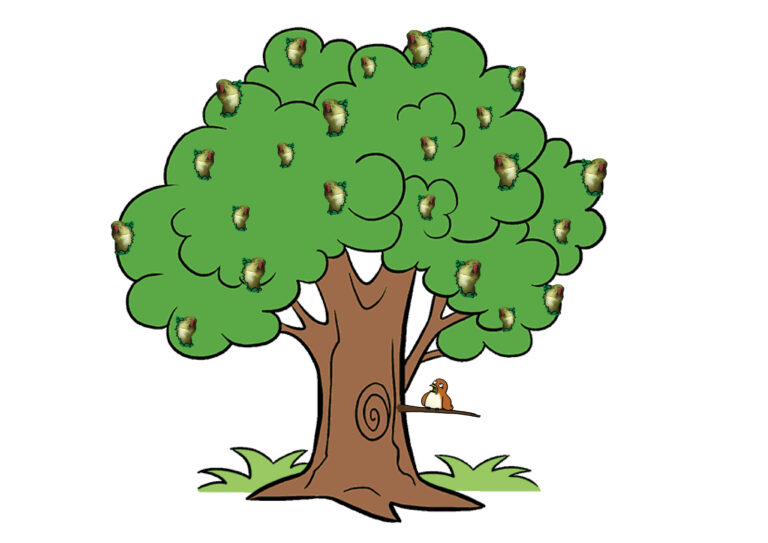
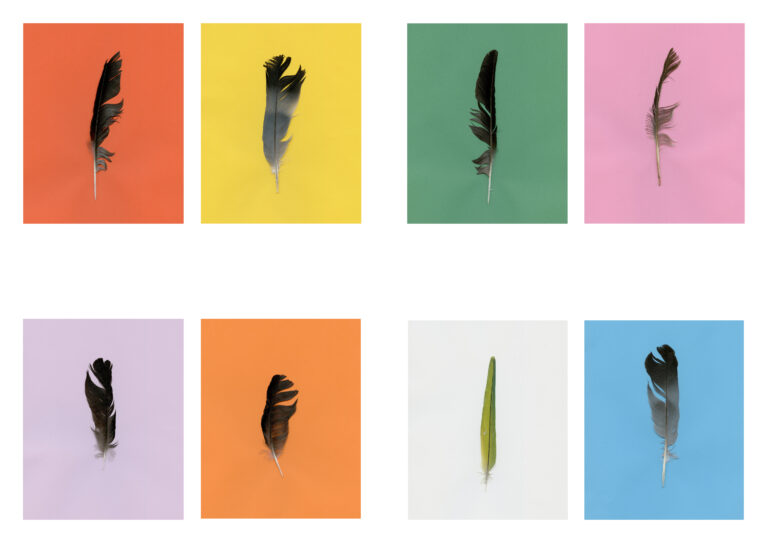
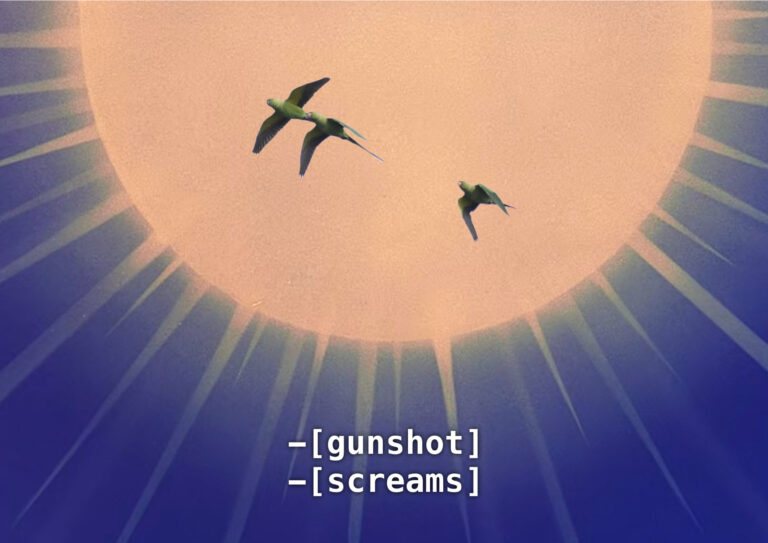
All the research done for this project manifested itself in a 7000-word lecture performance titled “we see them in the sky bright green against this sky of gray”. In nine acts, I speak quickly and erratically about a host of dis/connected things: the mythic arrival of the parakeets in Europe, the obscurity of the exotic pet trade, the cultural obsession with caging birds and black bodies, an out-of-body experience in a Californian ecology dinner and the complexities within my own mixed cultural roots, European supremacy & eugenics & human zoos, and the difference between how black and brown bodies relate to Europe when compared to the United States.
These theories, thoughts, and personal histories are spoken in a scattered and rapid-fire way so as to construct an emotional landscape around the lecture’s main question:
When will collective consciousness accept these parakeets as being native to Europe? When will collective consciousness accept black and brown bodies as being native to Europe?



 (2)
(2)